Water play is one of the best parts of childhood. From backyard splash pads and kiddie pools to beach vacations and swim lessons, water activities help infants and toddlers build confidence, coordination, and sensory skills. But while water fun creates beautiful family memories, it also comes with serious safety responsibilities.
Drowning remains one of the leading causes of accidental injury and death in young children, and many water-related accidents happen quickly and silently. The good news is that most incidents are preventable with proper supervision, preparation, and awareness.
This complete guide covers everything parents need to know about infant and toddler water safety, including pool safety, inflatable float safety, sun protection, emergency preparedness, swimming lessons, summer nutrition, and common health concerns.
Infants and toddlers are naturally curious but lack the physical skills and judgment needed to stay safe around water. Even shallow water can become dangerous in seconds.
Important facts parents should know:
Creating multiple layers of protection is the best defense against accidents.
For babies and toddlers, an adult should always remain within arm’s reach in or around water. This is called touch supervision.
Avoid:
When multiple adults are present, assign a designated “water watcher” who is fully responsible for supervision.
Home pools should always include:
Inflatable backyard pools should also be emptied immediately after use.
Every parent and caregiver should know infant and child CPR. In emergencies, immediate CPR can save a child’s life before first responders arrive.
Consider taking classes through organizations like:
Pool areas should include:
Never leave toys floating in the pool after swimming, as children may try to retrieve them.
Inflatable floats, loungers, and baby rings are popular summer products, but parents should understand their limitations.
Inflatable floats:
Even products marketed for babies require constant hands-on monitoring.
Look for:
Avoid oversized or poorly balanced inflatables.
For boating, lakes, or open water, infants and toddlers should wear properly fitted U.S. Coast Guard-approved life jackets instead of pool toys or water wings.
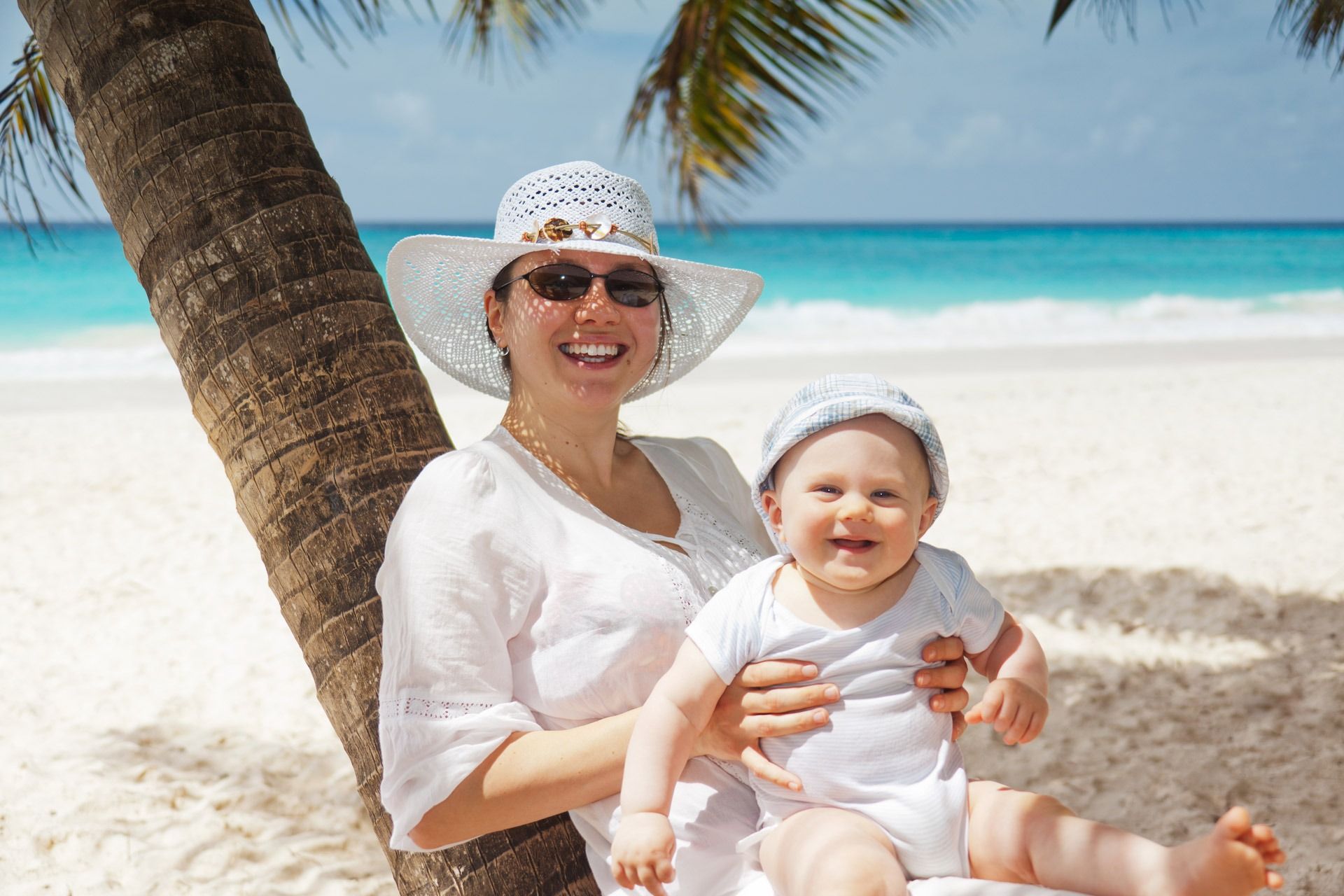
Young children are highly vulnerable to sunburn, dehydration, and heat illness.
For infants under 6 months:
Limited sunscreen use may be recommended on small exposed areas if shade is unavailable. Consult your pediatrician for guidance.
For babies over 6 months and toddlers:
Mineral sunscreens containing zinc oxide or titanium dioxide are often gentler on sensitive skin.
Signs of overheating include:
Move children to shade immediately and offer cool fluids if symptoms appear.
Natural water environments add additional risks.
Watch for:
Children should stay close to adults at all times, even in shallow water.
Avoid swimming near:
Splash pads may seem safer than pools, but germs can spread easily.
Tips include:
Swimming lessons can help children become more comfortable and confident in the water.
Many experts support water acclimation programs beginning around age 1, depending on readiness and health.
Lessons may help children:
However, lessons do not make children “drown-proof.”
Parents must continue close supervision at all times.
Look for:
Avoid programs using fear-based methods.
Even children who seem fine afterward should sometimes be evaluated because delayed breathing complications can occur after water aspiration.
Watch for:
Seek emergency care if symptoms develop after a submersion event.
Hydration is critical during hot weather and water play.
Babies under 6 months primarily need:
Older babies and toddlers may also need small amounts of water, especially in hot weather.
Great poolside snack ideas include:
Avoid heavy meals immediately before swimming.
Swimmer’s ear is an infection caused by trapped moisture in the ear canal.
Symptoms:
Dry ears gently after swimming and consult a pediatrician if symptoms appear.
Pool chemicals may irritate:
Rinse children with fresh water after swimming and apply moisturizer if needed.
Germs can spread easily in pools and splash pads.
Help prevent illness by:
Even mild sunburn can be dangerous for babies and toddlers.
Seek medical advice if your child develops:
Water activities should be joyful, enriching, and safe for the whole family. The best protection comes from combining:
With the right precautions, infants and toddlers can safely enjoy pools, beaches, lakes, sprinklers, and swim lessons while building confidence and lifelong memories in the water.
A little preparation goes a long way toward creating a fun, safe, and healthy summer for your child.