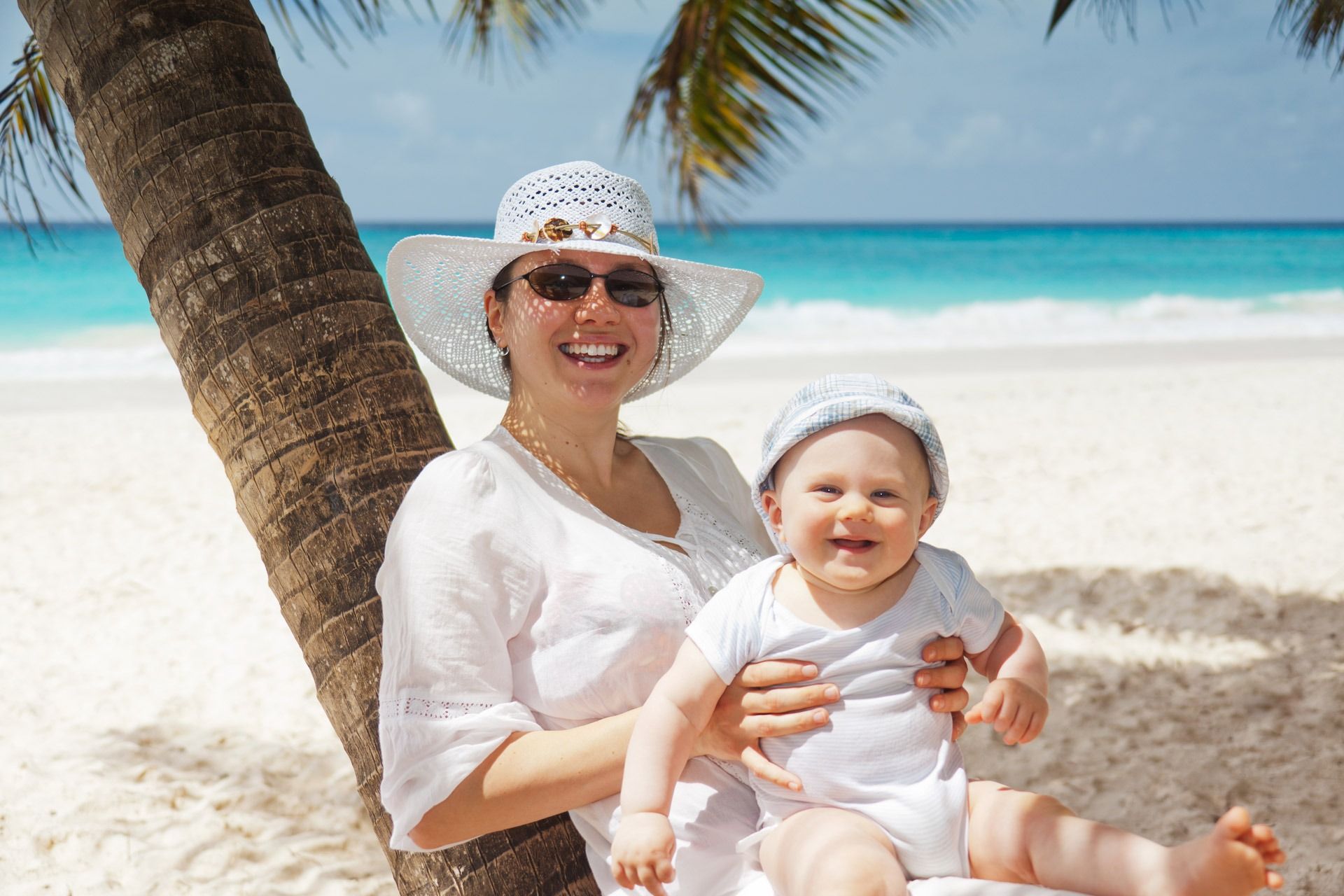
Summer travel with babies and toddlers can create some of the most beautiful family memories — first beach trips, tiny footprints in the sand, camping under the stars, and adventures together as a family. But traveling with little ones also comes with challenges parents don’t always expect.
From airplane germs and car seat safety to cruise ship illnesses, campground wildlife, and keeping toddlers entertained for hours, preparation is everything. This guide covers summer travel safety, comfort, health, fun activities, and practical tips for traveling with infants and toddlers anywhere your adventures take you.
Preparing Before You Travel
- Before any summer trip, schedule a quick pediatrician visit if your child:
- Is under 6 months old
- Has asthma, allergies, or medical conditions
- Needs travel vaccinations
- Will be traveling internationally
- Create a travel health kit with:
- Infant/Toddler pain reliever
- Thermometer
- Bandages
- Antibacterial wipes
- Hand sanitizer
- Electrolyte packets
- Diaper rash cream
- Motion sickness remedies (if approved by your pediatrician)Bug bite cream Sunscreen Copies of medical records and insurance cards
- Always pack more diapers, wipes, snacks, and clothing than you think you’ll need. Delays happen often during summer travel.
Car Travel Safety for Babies and Toddlers
- Road trips can be fun, but long hours in the car can become dangerous if parents aren’t careful.
- Car Seat Safety Matters
- Always:
- Use a properly installed car seat
- Follow height and weight guidelines
- Avoid bulky clothing under harness straps
- Keep chest clips at armpit level
- Never leave children alone in a vehicle — even for one minute. Summer heat inside cars becomes deadly incredibly fast.
Stop Frequently
*Infants should not remain in car seats for extended periods without breaks.*
Plan:
- Stretch stops every 2–3 hours.
- Diaper changes, Hydration breaks.
- Safe movement time.
- Prevent overheating.
- Signs of overheating include: Flushed skin, Excessive sweating, Irritability, sleepiness, rapid breathing.
- Use:, Window shades,
- Battery-operated fans,
- Lightweight breathable clothing,
- Cool washcloths.
- Never place blankets over infant car seats outside the car because they trap heat.
Flying With Infants and Toddlers
- Air travel with little ones can feel intimidating, but planning ahead makes a huge difference.
- Before Your Flight
- Pack carry-on essentials:
- Extra outfits for both child and parent
- Snacks
- Bottles or sippy cups
- Favorite comfort toys
- Diapers and wipes
- Small blanket
- Pacifiers
- Bring twice as many supplies as you think you’ll need in case of delays.
- Ear Pressure During Takeoff and Landing. Babies and toddlers often struggle with ear pressure changes.
Helpful solutions:
- Nursing
- Bottles
- Pacifiers
- Drinking water
- Chewing snacks for toddlers
- Airport Security Tips
- Parents often forget:
- Formula, breast milk, and baby food are allowed through security in reasonable quantities
- Strollers and car seats are usually gate-check eligible
- Keep medications easily accessible
- Germ Protection During Flights
- Airports and planes expose children to many germs.
- Wipe down:
- Tray tables
- Armrests
- Seatbelt buckles
- Window areas
- Encourage hand washing often.
Cruise Ship Travel With Young Children
Cruises can be wonderful family vacations, but parents should prepare carefully. Important Cruise Considerations
Do your research:
- Childcare availability
- Splash pad rules
- Diaper policies for pools
- Medical facilities onboard
- Some ships do not allow diapered children in pools.
- Preventing Illness on Cruises
- Cruise ships are known for stomach viruses spreading quickly.
- Teach toddlers:
- Frequent hand washing
- Avoid touching buffet surfaces
- Avoid drinking pool water
Pack:
- Electrolytes
- Fever reducers
- Sanitizing wipes
- Balcony Safety
- Never leave children unattended near balconies. Bring portable door alarms if possible.
Boat and Water Travel Safety
Whether renting a pontoon boat, kayaking, or spending time on a lake, water safety is critical.
- Life Jackets Save Lives
- Children should always wear:
- U.S. Coast Guard-approved life jackets
- Properly fitted flotation devices
- Life jackets designed specifically for their age and weight
- Inflatable water toys are NOT life-saving devices.
- Sun Reflection Risks
- Parents often underestimate how strongly water reflects sunlight. Children can burn faster on boats than on land.
Use:
- UPF swimwear
- Wide-brim hats
- Infant-safe sunscreen
- Shade canopies
Camping With Babies and Toddlers
Camping creates unforgettable memories, but nature comes with risks many parents don’t anticipate. Sleeping Safety Outdoors includes:
Using:
- Portable cribs
- Firm sleep surfaces
- Lightweight sleep sacks
- Avoid overheating inside tents.
- Wildlife and Insect Safety
Teach toddlers:
- Never touch animals
- Avoid unknown plants
- Stay away from standing water
- Ticks, mosquitoes, and bees are common summer hazards.
Dress children in:
- Light-colored clothing
- Long sleeves during evenings
- Closed-toe shoes
- Use child-safe insect repellents approved for infants and toddlers.
- Campfire Safety
- Create a strict “no-cross zone” around campfires using rocks or chairs.
Never allow:
- Running near fires
- Loose clothing around flames
- Unsupervised roasting sticks
Visiting National Parks With Young Children
Many U.S. national parks are family-friendly, but conditions can become dangerous quickly.
- Popular family-friendly parks include:
- Yellowstone
- Great Smoky Mountains
- Acadia
- Grand Canyon
- Zion
- Yosemite
Important National Park Safety Tips that parents often overlook:
- Altitude sickness
- Dehydration
- Extreme temperatures
- Wildlife dangers
Bring
- Plenty of water
- Cooling towels
- Snacks
- Baby carriers for hiking
- First aid kits
- Never allow children to approach wildlife for photos.
- Even seemingly calm animals can attack unexpectedly.
- Hiking With Toddlers
Choose:
- Short shaded trails
- Morning hikes
- Frequent rest breaks
- Watch for:
- Heat exhaustion
- Fatigue
- Dehydration.
- Sunburn
Traveling Abroad With Babies and ToddlersInternational travel requires extra planning.
Before Traveling Internationally
Check:
- Passport expiration dates
- Visa requirements
- Vaccination recommendations
- Local medical facilities
- Water safety advisories
- Food and Water Safety
- In some countries:
- Tap water may not be safe
- Ice may contain unsafe water
- Raw fruits and vegetables may need washing carefully
- Use bottled water when needed.
- Jet Lag and Sleep Changes
- Children may struggle adjusting to time zones.
Tips:
- Gradually shift sleep schedules before departure
- Keep bedtime routines consistent
- Bring familiar sleep items
Beach Safety for Infants and Toddlers
Beach trips can be amazing, but parents should prepare for:
- Strong sun exposure
- Rip currents
- Hot sand
- Dehydration
- Sand and Heat Protection
- Sand can burn tiny feet quickly.
Bring:
- Water shoes
- Shade tents
- Cooling towels
- Extra fluids
- Ocean Safety
- Never rely on floaties alone.
Always:
- Stay within arm’s reach near water
- Watch wave conditions
- Learn beach flag warning systems
Summer Illnesses Parents Don’t Think About
Many summer travel illnesses surprise parents. Common Summer Health Issues to watch out for:
- Heat exhaustion
- Sun poisoning
- Swimmer’s ear
- Dehydration
- Motion sickness
- Tick bites
- Food poisoning
- Emergency Signs
- Seek medical attention immediately if your child has:
- Difficulty breathing
- High fever
- Extreme lethargy
- Persistent vomiting
- Severe dehydration
- Allergic reactions
- Confusion
- Blue lips or skin
Keeping Babies and Toddlers Entertained While Traveling
- Long travel days can become stressful fast.
- Helpful entertainment ideas:
- Sticker books
- Reusable water coloring pads
- Busy boards
- Sensory toys
- Downloaded cartoons
- Audio stories
- Surprise “travel-only” toys
- Snack containers with compartments
- Rotate activities every 20–30 minutes for toddlers.
Smart Packing Tips Parents Always Forget
Things parents commonly forget:
- Extra pacifiers
- Backup charging cables
- Portable sound machines
- Night lights
- Laundry bags
- Portable blackout curtains
- Wet bags for swimsuits
- Extra medications
- Travel-size detergent
- Bring printed emergency contacts in case phones die.
The most important thing parents can remember is this:
Perfect trips don’t exist with young children.
There will be messes, delays, tantrums, missed naps, and unexpected moments. But there will also be laughter, discovery, cuddles, sunsets, and memories your family will cherish forever.
Slow down your schedule.
Build in rest time.
Focus on experiences over perfection.
Children don’t remember flawless vacations — they remember feeling safe, loved, and included in the adventure.
Final Thoughts
Traveling with infants and toddlers may require extra preparation, but it’s absolutely worth it. With proper planning, safety awareness, patience, and flexibility, summer family adventures can become some of your most treasured memories.
Whether you’re taking a weekend camping trip, flying across the country, cruising the ocean, exploring national parks, or traveling abroad, preparation helps keep your little ones safe, comfortable, and happy every step of the way.